Location, Imagination, Transformation
Grassroots Urbanism & Hong Kong Urban Cinema
By highlighting Hong Kong urban cinema as a remarkable archive of descriptions of how the city is being lived and practiced, “Location, Imagination and Transformation” is a cinematic urban topographical survey of everyday practices by the grassroots in contemporary Hong Kong. The project explores the cinematic representations of these informal spatial practices, their sites and interrelations, as well as their external relations with the ever-changing built environment. Through a series of architectural drawings, (cinematic) urban mappings, participatory photography, and analyses of varied layers of narratives in both real and reel cities, this project illustrates the complex nature of placemaking as an outcome of collective actions of building, dwelling, appropriating, resisting, reclaiming, negotiating, and caring. The project is therefore attempting to reveal and expand a shared understanding of urban discourse in Hong Kong that transforms the material environment into a “lived” space, constructed by and accommodating all inhabitants in the city.
The project is a continuation of Zhuozhang Li’s PhD thesis (2021), titled “The Fluid City: A cinematic urban tectonic study on the (re)production of publicness in contemporary Hong Kong”. The thesis investigated the (trans)formation of everyday urban space in Hong Kong in the past four decades through the lens of 28 city films.
Team:
Zhuozhang Li is a Postdoctoral Research Associate and Affiliated Lecturer at the University of Cambridge. As an interdisciplinary urban scholar his research focuses on two themes: inclusive urban design, and co-production of urban knowledge through creative methods. These two interwoven strands form the core of his work at the Cambridge Room, where he works with local communities to co-create a ‘one-stop-shop’ for community consultation. Alongside research and teaching, his recent curatorial and/or artistic practice includes ‘Planting and Placemaking (Liverpool, 2024)’, ‘Traces Under the Surface (Beijing, 2023)’, and ‘Knowledge is Power (Tate Liverpool, 2020)’.
Lifeiyang REN (they/them) is a self-identified cat flowing through life in various rivers, refusing to be anchored. For them, the visual is a comfortable way to communicate with humans, as words often feel lost. Rooted in a sociological background, they questions the center with the camera and documents poems for the corners. Ren sees memories as films and wants to make a documentary on Chinese migration in South America someday.
We also want to thank the participants who submitted their photos during the open call, also thank Ardian Stroud, an architecture graduate from the University for the Creative Arts, for his drawings.
-
The Secret (瘋劫), 1979
Cops and Robbers (點指兵兵), 1979
Dangerous Encounters of the First Kind (第一類型危險), 1980
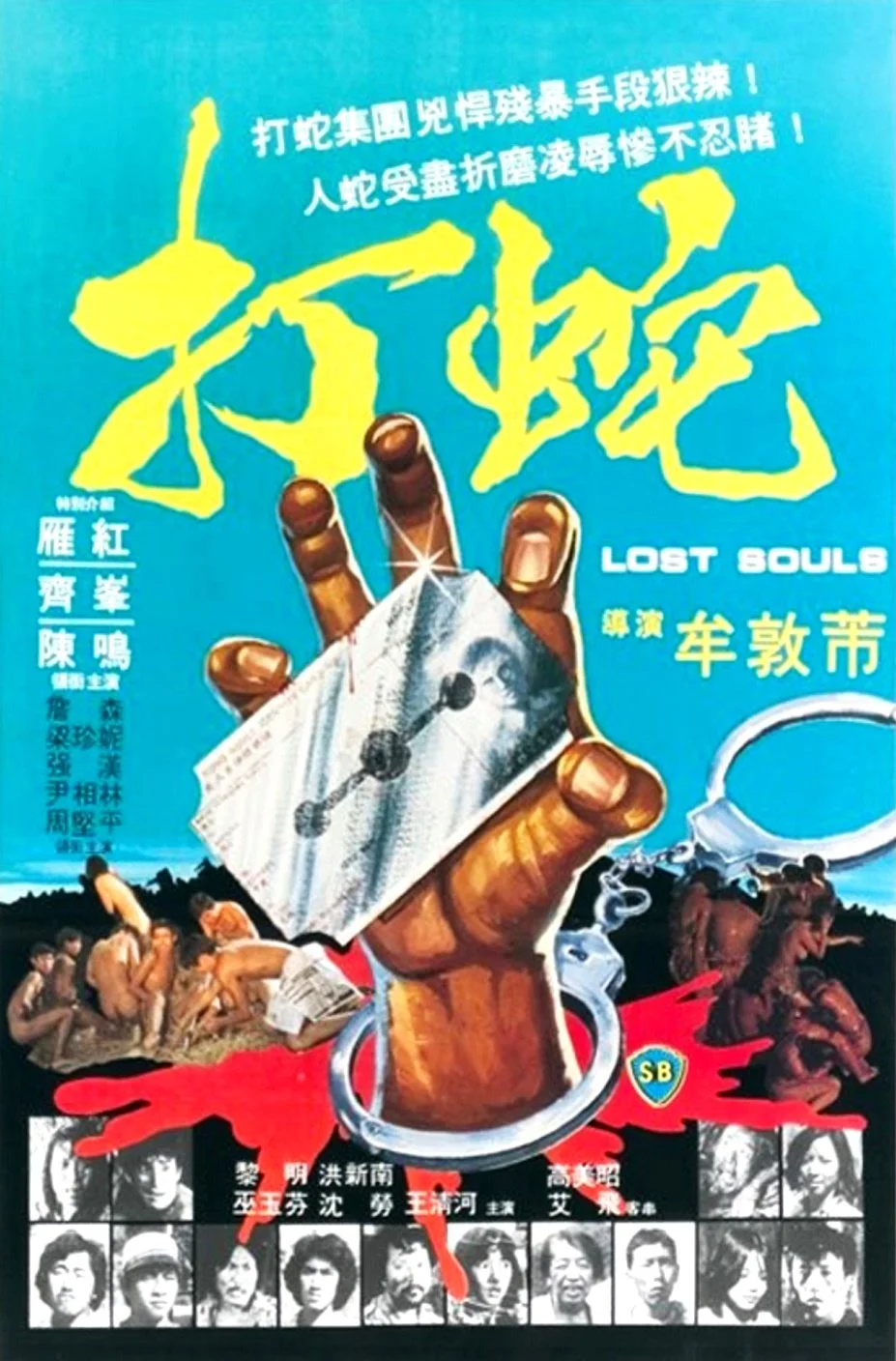
Lost Souls (打蛇), 1980
Man on the Brink (邊緣人), 1981
Father and Son (父子情), 1981
Ah Ying (半邊人), 1983
Long Arm of the Law (省港旗兵), 1984
The Lunatics (癲佬正傳), 1986
City on Fire (龍虎風雲), 1987
Chicken and Duck Talk (雞同鴨講), 1988
As Tears Go By (旺角卡門), 1988
Queen of Temple Street (廟街皇后), 1990
Days of Being Wild (阿飛正傳), 1990
C’est la vie, mon chéri (新不了情), 1993
Chungking Express (重慶森林), 1994
He's a Woman, She's a Man (金枝玉葉), 1994
How Deep Is Your Love (霓虹光管高高掛之女子公寓), 1994
Fallen Angels (墮落天使), 1995
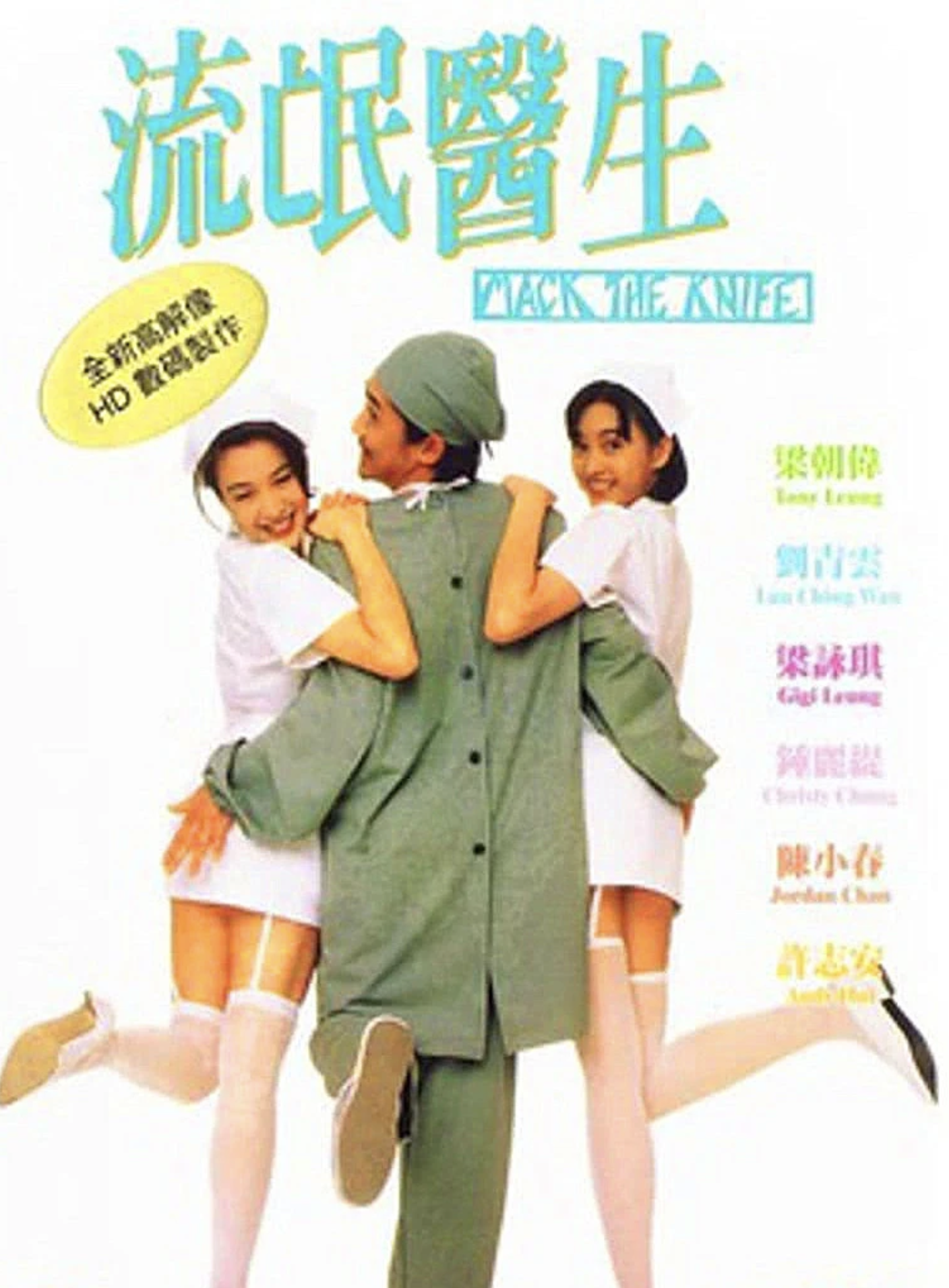
Mack the Knife (流氓醫生), 1995
Mean Street Story (廟街故事), 1995
The God of Cookery (食神), 1996
Comrades: Almost a Love Story (甜蜜蜜), 1996
Made in Hong Kong (香港製造), 1997
The Longest Summer (去年煙花特別多), 1998
Bishonen (美少年之戀), 1998
Beast Cop (野獸刑警), 1998
Hold You Tight (愈快樂愈墮落), 1998
Running out of Time (暗戰), 1999
The Kid (流星語), 1999
Little Cheung (細路祥), 1999
Durian Durian (榴蓮飄飄), 2000
Hollywood Hong Kong (香港有個荷里活), 2001
The Map of Sex and Love (情色地圖), 2001
Infernal Affairs (無間道), 2002
Infernal Affairs 2 (無間道2), 2003
Diva... Ah Hey (下一站…天后), 2003
PTU (PTU), 2003
6 Floor Rear Flat: Truth or Dare (6樓后座), 2003
One Nite in Mongkok (旺角黑夜), 2004
Breaking News (大事件), 2004
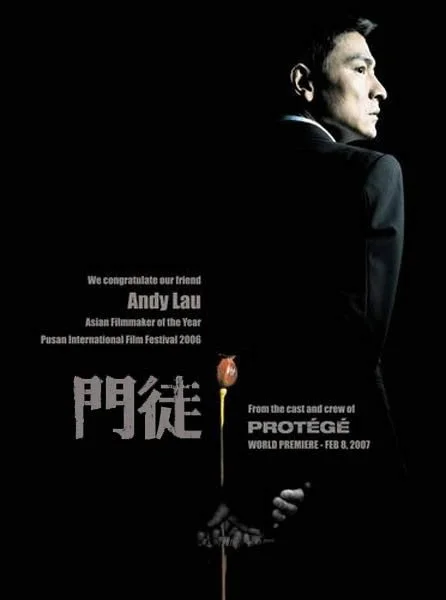
Protégé (門徒), 2007
Eye in the Sky (跟蹤), 2007
Triangle (鐵三角), 2007
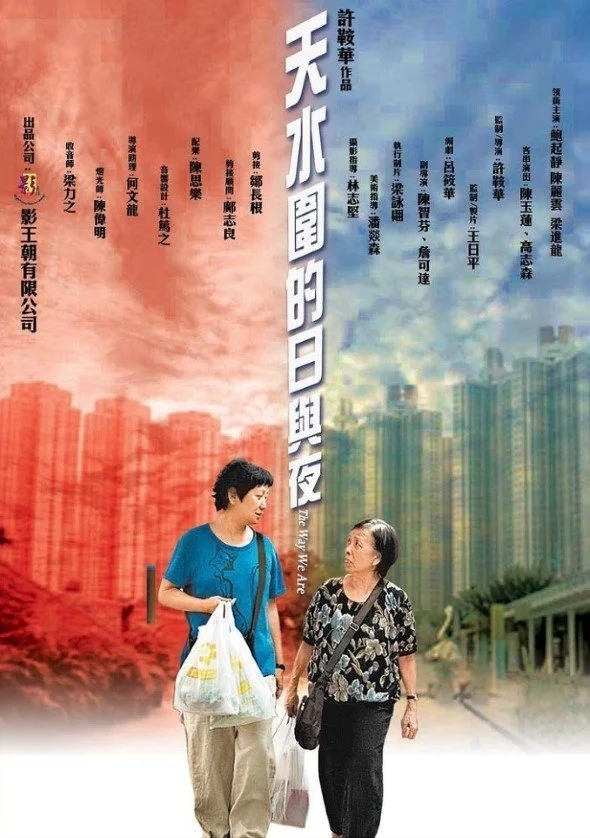
The Way We Are (天水圍的日與夜), 2008
Sparrow (文雀), 2008
Echoes Of The Rainbow (歲月神偷), 2010
Break Up Club (分手說愛你), 2010
Crossing Hennessy (月滿軒尼詩), 2010
All about Love (得閒炒飯), 2010
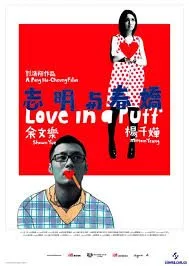
Love in a Puff (志明與春嬌), 2010
72 Tenants of Prosperity (72家租客) 2010
I Love Hong Kong (我愛HK 開心萬歲), 2010
Don’t Go Breaking My Heart (單身男女), 2011
Life Without Principle (奪命金), 2011
A Simple Life (桃姐), 2011
On The Edge of A Floating City, We Sing (在浮城的角落唱首歌), 2012
Blind Detective (盲探), 2013
The Way We Dance (狂舞派), 2013
Dot 2 Do (點對點), 2014
Wild City (迷城), 2015
Port Call (踏雪尋梅), 2015
Trivisa (樹大招風), 2016
Mad World (一念無明), 2017
Still Human (淪落人), 2018
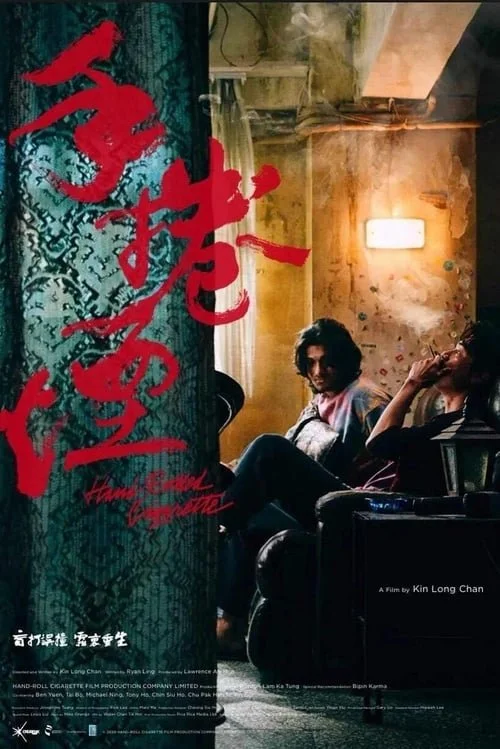
Hand Rolled Cigarette (手捲煙), 2020
Drifting (濁水漂流) 2021













-
張偉雄, 「我哋上天台囉」, 號外, 2013 (08), vol 443
Leung, P.-K. (2012) ‘Urban Cinema and the Cultural Identity of Hong Kong’, in Fu, P. and Desser, D. (eds) The Cinema of Hong Kong. Hong Kong University Press, pp. 227–251.
Esther M. K. Cheung, 幻魅都市: 張美君博士香港電影研究論文集 (蕭恒 編譯),Typesetter Publishing, 2021
Esther M. K. Cheung, Fruit Chan’s Made in Hong Kong, HKU Press, 2009
香港電影資料館 Hong Kong Film Archive https://www.filmarchive.gov.hk/tc/web/hkfa/home.html
Li, Z. (2022) ‘“Made in Hong Kong”: The (Re)production of Publicness in Cinematic Urban Topography of Contemporary Hong Kong’, in Penz, F. and Schupp, J. (eds) The Everyday in Visual Culture: Slices of Lives, Routledge, 158-171.
Li, Z. (2021) The Fluid City: A Cinematic Urban Tectonic Study on the (Re)Production of Publicness in Contemporary Hong Kong. Doctor of Philosophy thesis, University of Liverpool.
Li, N. (2006) ‘Film as Witness to History’, in Location (動・感・現場). Hong Kong Film Archive, pp. 2–9.
Pan, G. (2006) ‘The Emotional Map of Hong Kong Cinema’, in Location (動・感・現場). Hong Kong Film Archive, pp. 74–113.
王冠豪, 電影朝聖 Film Pilgrimage, https://film-pilgrimage.com/
throwbackhkfilmstory 香港電影拍攝場地
映象东北 Imagine Dongbei https://imaginedongbei.org